Afrobeat, Kings and Beyoncé

Music video for “Already” by Beyonce

I don’t think I had ever heard of a visual album until Beyoncé. “Black is King” launched on Disney + with the usual pomp and circumstance that surrounds “queen B”, I took a particular interest in this offering because of how much it is steeped in African culture (popular and historical). I tend to be very sensitive to Afro imagery and how it is sampled, appropriated and bandied about in popular entertainment. And to be honest, I once listened to Beyoncé describe her dance moves in the “Crazy in love” music video as an “African thing” while being interviewed by Oprah and wondered what exactly she meant. To me that sounded like an over simplification of a vast and rich cultural experience into a booty shake, and it left a bad taste in my mouth.

In this project, what I see is someone who has grown and learnt a lot more about that “African thing”. Instead of taking inspiration from, Beyoncé is co-creating with African artists, she is not just sampling African culture but celebrating it and not just being inclusive of Afro-ethnic faces but celebrating them.

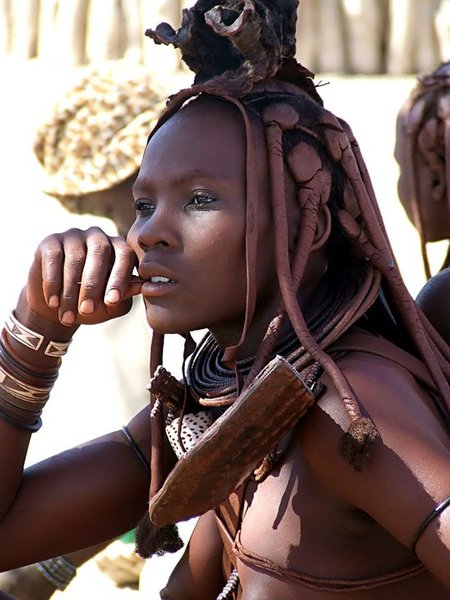
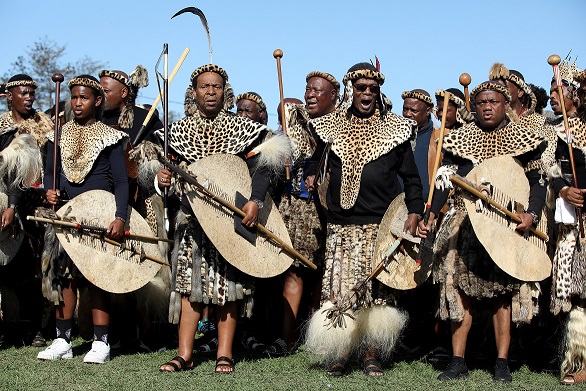
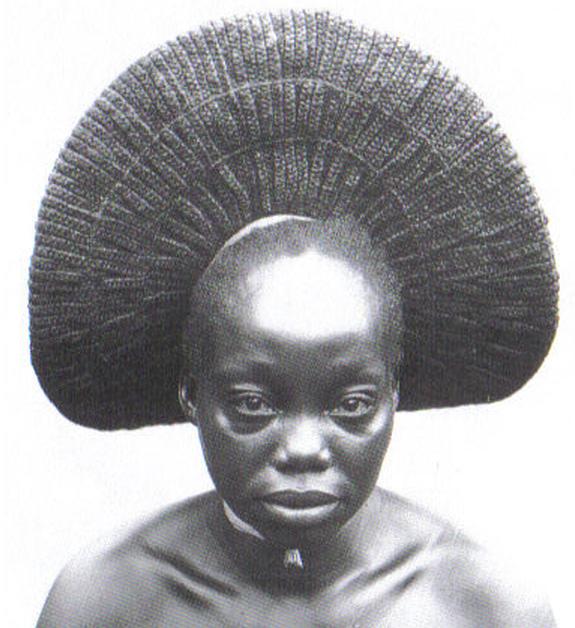
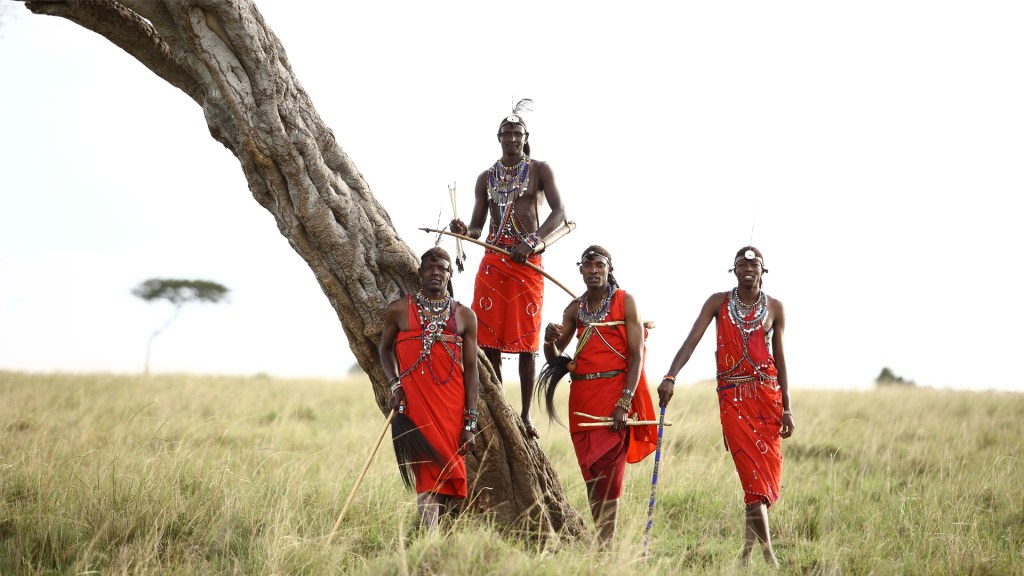
The music video for “Already” is steeped in so many different cultural references that I actually had fun playing spot the cultural reference. I challenge anyone to watch the video and spot the references to Masai, Himba, Zulu and Congolese cultures in the image above and I am sure there are many more.

Assimilation X Appropriation

https://www.bbc.co.uk/news/extra/4fq4hrgxvn/wax-print

African traditional fabrics in a shop in Ghana


Interesting article on the BBC last month, I won’t bore you with the details but in a nut shell the story goes: the popular bright African fabric everyone knows has its origins in Indonesia where wax dying created colorful Batik fabric, this was traded by the large colonial companies, the technology was taken to Europe, and finally the Dutch East India company brought the fabric to Africa. To this day, the Dutch company Vlisco supplies fabric to Africa from its factories in the Netherlands.
The article made me think about what goes into building a cultural artefact. Human societies (I think) should aim to interact and assimilate the good while rejecting the bad in one another. Right now there is a lot of pain and a heightened awareness of racial injustice and history. Should we deny how much cultures around the world have been enriched by the assimilation of foreign practices and/or artefacts if this was a result of a system built on racism and oppression? Does the Indonesian origin and Dutch delivery of batik fabric make the current iteration of fabric design any less synonymous with Afro style? And finally how is this any different from cultural Appropriation? I think with African fabric its very obvious that the Indonesia batik fabric was never appropriated by/for the African people, the result is a natural evolution of African style in an interconnected world, just as European and Asian fashion has evolved. Assimilation is a natural process, something to be encouraged when there is good to be gained. Appropriation is a wicked deliberate practice that is almost always done by the powerful to the powerless. But more on that in my next post…

Origins

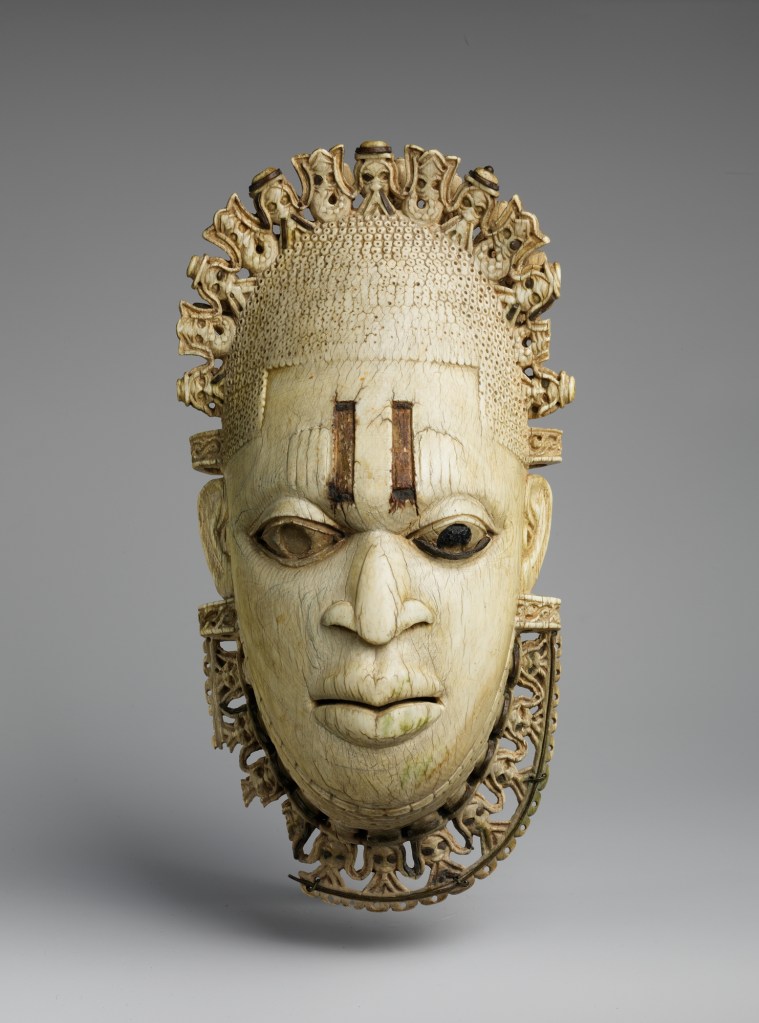
Queen Mother Pendant Mask: Iyoba
16th century a representation African women in History.

The idea of the African hair archive was born from my conversation with a little girl, a smart and beautiful little girl, who wanted to know why I had extensions in my hair and didn’t wear my hair in its natural state. For the last three years long Box-braids have been my hairstyle of choice, mostly out of convenience than style. However, this interaction did spark a desire to share a rich culture and history of hair styling that is rarely represented in popular culture. And thus my journey of discovery begins, I hope you can join me.